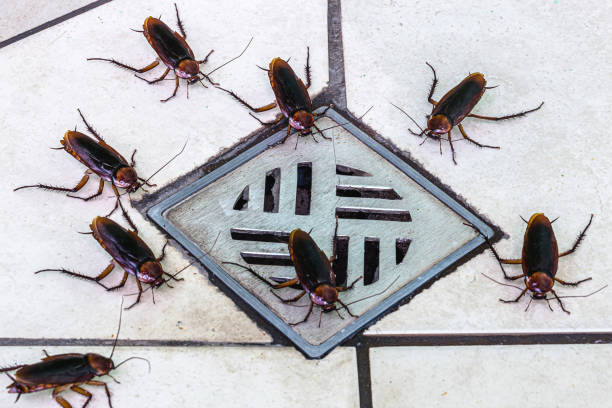
Pest control is a critical aspect of maintaining a clean, safe, and healthy living or working environment. Regular pest control measures help eliminate harmful pests that can compromise health, damage property, and cause significant discomfort. A pest-free environment is not just a matter of convenience; it also plays a key role in preventing various risks associated with infestations.
Why Regular Pest Control Matters
- Health Protection
Pests such as rodents, cockroaches, and mosquitoes are known carriers of diseases. - Rodents can spread conditions such as leptospirosis and hantavirus.
- Cockroaches are linked to allergies and asthma triggers due to their droppings and shed skins.
- Mosquitoes transmit illnesses like malaria, dengue fever, and Zika virus.
Regular pest control minimizes the risk of exposure to these harmful vectors by addressing the problem before it spreads.
- Property Preservation
Pests can cause substantial structural damage over time: - Termites feed on wood, weakening furniture and walls.
- Rodents chew through electrical wiring, insulation, or drywall.
- Carpet beetles damage textiles such as clothing or upholstery.
Routine pest inspections and treatments catch infestations early and reduce long-term repair costs.
- Economic Benefits
While pest control services may seem like an upfront expense, they often save money in the long run by preventing costly damages or health-related issues. - Mental Well-being
Living with pests can cause stress due to their unsanitary presence or fear of infestations spreading further. A pest-free space promotes peace of mind.
Key Components of Regular Pest Control
- Scheduled Inspections
Conducting periodic inspections helps identify potential issues before they escalate into full-blown infestations.
| Frequency | Recommended By | Examples |
| Monthly | High-risk areas (e.g., food storage) | Restaurants/kitchens |
| Quarterly | Residential homes | Preventive maintenance |
| Semi-Annually | Commercial buildings | Offices/warehouses |
Effective Florida Pest Control Service Measures
Proactive actions reduce the chances of pests invading your space:- Seal cracks around doors/windows.
- Fix leaky pipes or standing water sources that attract insects.
- Store food in airtight containers to limit access for pests like ants or rodents.
- Environmentally Friendly Treatments
Many modern pest management strategies focus on eco-friendly solutions: - Use integrated pest management (IPM) practices that combine biological controls with targeted chemical applications.
- Opt for non-toxic baits and traps whenever possible to minimize harm to beneficial insects like bees or local wildlife populations.
Benefits of Partnering with Professionals
Though DIY methods might seem sufficient at first glance, professional pest control services offer distinct advantages: – Expertise in identifying specific pests and understanding their behavior patterns. – Access to specialized equipment not available for public use. – Long-term solutions tailored specifically for your home or business needs rather than generalized store-bought remedies.
By prioritizing regular pest control efforts, individuals ensure healthier environments while mitigating risks associated with neglecting this essential task.
Effective Ways Exterminators in Florida Protect Your Furniture and Keep It Pest-Free
Protecting your furniture from pests is essential, as infestations can lead to significant damage. Termites, beetles, rodents, and even bed bugs are common culprits that can wreak havoc on your home’s furnishings. Proper preventive measures and regular maintenance can help you safeguard your investment. Below are effective strategies to ensure your furniture remains pest-free.
Effective Pest Removal Services in Florida for Common Furniture Infestations
- Termites: These insects feed on wood and can cause structural damage.
- Carpenter Ants: They burrow into wood but do not consume it like termites.
- Wood-Boring Beetles: These pests create holes in wooden furniture, laying their eggs inside.
- Rodents: Mice and rats may gnaw on upholstered furniture or padding for nesting material.
- Bed Bugs: Found primarily in mattresses and upholstered furniture, they are notorious for being difficult to remove once established.
Knowing the threats will help you take targeted action against them.
Preventive Measures
- Frequently vacuum upholstery and crevices where crumbs or dust might accumulate.
- Wipe down hard surfaces with appropriate cleaners to remove debris that attracts pests.
- Check for signs of infestation such as droppings, frass (fine sawdust), chew marks, or tiny holes in the wood.
- Pay attention to dark corners or unused pieces of furniture where pests may hide.
- Keep eating areas separate from living spaces when possible.
- Clean up spills immediately to avoid attracting insects like ants or cockroaches.
- Employ dust covers for unused wooden pieces or storage items.
- Invest in mattress protectors designed to repel bed bugs.
- Apply sealants around windows, doors, baseboards, or other entry points near furniture areas where pests could enter your home.
Effective Pest Removal with Natural Deterrents
- Use essential oils like lavender, cedarwood, or tea tree oil as natural repellents by diluting them with water and applying them near your furniture.
- Place sachets of dried herbs such as mint leaves or cloves in drawers and cabinets to deter insects naturally.
| Essential Oil | Target Pest | Application Method |
| Lavender | Moths | Spray diluted oil near wooden areas |
| Cedarwood | Termites | Apply directly onto wooden surfaces |
| Tea Tree Oil | Bed Bugs | Use diluted around seams of upholstery |
Professional Treatment Options
- Consider consulting a licensed pest control professional who specializes in treating infestations affecting household items like couches or cabinets.
- For termites: Treatments like fumigation or liquid termiticides may be necessary.
- For bed bugs: Heat treatment is often effective without damaging fabrics.
- For rodents: Experts may use bait traps while advising how best to rodent-proof affected spaces permanently.
Regular inspections combined with professional assistance ensure comprehensive safety for all types of furnishings in your home.
Effective Ways to Protect Your Furniture and Keep It Pest-Free
Furniture is a significant investment, and protecting it from pests is essential to maintain its longevity and aesthetic appeal. Pests such as termites, beetles, ants, rodents, and cockroaches can damage various types of furniture, leaving you with costly repairs or replacements. Here are some effective ways to safeguard your furniture from pest infestations.
1. Regular Cleaning and Maintenance
- Dusting: Frequently dust your wooden furniture to prevent the accumulation of debris that may attract pests.
- Vacuuming Upholstery: Use a vacuum cleaner with an upholstery attachment regularly to remove crumbs, dirt, or hair that may draw insects like bed bugs.
- Cleaning Spills Immediately: Food or drink spills should be addressed promptly as they can become a food source for pests.
2. Use Protective Covers
- For upholstered furniture, use zippered encasements made of durable materials.
- For wooden pieces, consider using slipcovers during long periods of non-use.
These covers can prevent bugs like bed bugs or fabric-damaging beetles from nesting in crevices or fabrics.
3. Control Moisture Levels
- Use dehumidifiers in areas prone to high humidity levels.
- Ensure all leaks in plumbing or near windows are repaired promptly.
- Avoid placing wooden furniture directly on damp surfaces such as basements or outdoor patios without proper protection.
4. Treat Furniture with Pest Repellents
| Type of Furniture | Recommended Treatment |
| Wooden | Anti-termite treatments (boric acid solutions) |
| Upholstered | Fabric-safe sprays (lavender oil solutions) |
| Outdoor | Weatherproofing paint with pest-repellent additives |
Ensure that any product used is safe for household use and environmentally friendly whenever possible.
5. Seal Cracks and Gaps
- Inspect the seams, legs, and corners of your furniture for cracks periodically.
- Use wood filler or sealants to close gaps in wooden surfaces.
By eliminating these entry points, you reduce the likelihood of insect infestations.
6. Avoid Clutter Near Furniture
- Limit storage under beds, sofas, and cabinets unless items are sealed in airtight containers.
- Keep the area around large pieces of furniture free from unnecessary items like newspapers or cardboard boxes that serve as hiding spots for cockroaches or silverfish.
7. Schedule Professional Inspections
- Pest specialists use advanced tools to detect hidden pests such as termites within wooden structures.
- They offer tailored recommendations based on the type of infestation risk specific to your region.
Regular professional assessments combined with proactive measures significantly enhance the defense against potential threats.
By integrating these strategies into your routine maintenance plan, you not only extend the life span of your valuable furnishings but also create a healthier living space free from unwanted intruders.

Prevent Infestations with a Trusted Pest Control Company
Proactive pest control is one of the most effective ways to prevent infestations before they become serious issues. Waiting until pests have already invaded your home or business can lead to extensive damage, health risks, and costly solutions. By taking preventive measures early on, you can maintain a safe, clean environment while reducing long-term expenses.
Benefits of Proactive Pest Control
- Early Detection and Prevention: Regular monitoring allows you to identify potential pest issues before they escalate.
- Cost Savings: Preventing infestations is often more affordable than dealing with widespread damage caused by pests.
- Health Safety: Proactively controlling pests minimizes exposure to allergens and diseases spread by insects or rodents.
- Property Protection: Preventive measures ensure that your furniture, walls, electrical systems, and other property remain intact and undamaged.
Key Strategies for Proactive Pest Control
- Regular Inspections
Schedule routine inspections of your property to spot early signs of infestation such as droppings, nests, or structural damage. Engage professional pest control services if needed for comprehensive checks. - Inspect windows and doors for gaps or cracks. Use weatherstripping and sealant to close these openings.
- Install mesh screens over vents and chimneys to block access points for pests like rodents and birds.
- Repair damaged walls or flooring that could serve as entryways for insects such as ants or cockroaches.
- Maintain Cleanliness
Keeping your environment clean is essential in deterring pests: - Store food items in airtight containers to reduce accessibility for pests like rats or pantry moths.
- Dispose of garbage regularly in tightly sealed bins.
- Clean up spills immediately, especially sugary substances that attract ants.
- Control Moisture Levels
Pests are often drawn to damp environments: - Fix leaky pipes, faucets, or drainage systems promptly.
- Use dehumidifiers in basements or crawl spaces where humidity levels may be high.
- Ensure proper ventilation in kitchens and bathrooms.
- Landscaping Maintenance
The condition of your yard can directly impact pest activity: - Trim overgrown bushes and trees that provide pathways into your home.
- Remove standing water from outdoor areas such as flowerpots or gutters.
- Keep firewood stored away from the house as it can attract termites.
| Problem Area | Recommended Action | Targeted Pests |
| Cracks in walls | Seal with caulk or concrete | Ants, cockroaches |
| Humid spaces | Use dehumidifiers | Silverfish, mold mites |
| Food storage areas | Use airtight containers | Moths, rodents |
| Cluttered spaces | Declutter regularly | Spiders, roaches |
When to Call Professionals
While proactive steps go a long way toward mitigating pest risks, some situations require professional assistance: – Recurring infestations despite preventive efforts. – Pests causing structural damage (e.g., termites). – Presence of dangerous species such as venomous spiders.
Professional pest control teams offer customized solutions using advanced tools like thermal imaging cameras for detection and eco-friendly treatments tailored to your needs.
By implementing these strategies alongside periodic professional evaluations, the risk of infestation can be significantly reduced while ensuring peace of mind in any residential or commercial space.
Get Professional, Customized Treatment for Comprehensive Pest Management
When it comes to managing pest issues effectively, professional and customized treatment options are essential. Every home or business faces unique challenges when dealing with pests due to factors such as location, structure type, age of the property, and climate. A personalized approach ensures that these specific variables are taken into account for a comprehensive and lasting solution.
Why Choose Professional Pest Management?
- Expert Knowledge: Professionals have a deep understanding of pest behavior, biology, and nesting patterns.
- Accurate Identification: Misidentification of pests can lead to ineffective treatments. Experts can identify the exact species and recommend tailored solutions.
- Safer Treatments: Licensed professionals use EPA-approved methods and chemicals in a way that minimizes risks to people, pets, and the environment.
- Long-Term Results: Customized strategies ensure that problems are resolved at their root cause rather than just addressing symptoms.
The Importance of Customized Treatments
- Inspect the property thoroughly to locate nests or entry points.
- Identify contributing factors such as moisture levels or food sources.
- Tailor treatment options based on the specific type of pest (e.g., ants versus rodents). Different pests require different approaches.
- Determine the most appropriate tools (traps, sprays) or techniques (exclusion barriers).
- Suggest structural fixes like sealing cracks and crevices.
- Provide recommendations for removing environmental attractants such as standing water or improper waste disposal.
Examples of Custom Approaches for Common Pests
| Pest Type | Customized Treatment Plan |
| Termites | Baiting systems tailored to termite species; soil treatments near foundations |
| Cockroaches | Gel bait application in high-traffic areas; sanitation guidelines for long-term prevention |
| Rodents | Installing tamper-proof bait stations; exclusion methods like sealing entry holes |
| Bed Bugs | Heat treatments focused on infested furniture; chemical treatments in cracks/crevices |
Benefits of Comprehensive Management Plans
- Reduction in pest-related health hazards (e.g., allergies or disease transmission).
- Preservation of property value by preventing structural damage caused by pests like termites or rodents.
- Decreased recurrence likelihood due to regular monitoring and maintenance services.
Partnering with Trusted Professionals
- Offer detailed service plans after initial inspections.
- Provide transparent communication about products used during treatment.
- Deliver follow-up visits if necessary to ensure success over time.
Investing in professional customized treatment is one of the most effective ways to achieve lasting outcomes while minimizing disruption in your daily life. Partnering with experienced experts helps create a healthier living environment free from unwanted pests year-round.
- How Florida Pest Control Helps Protect Your Home
- 10 Essential Questions to Ask Exterminators in Florida for Effective and Comprehensive Pest Control
- How to Prepare Your Home Before and After a Pest Control Company Visit for Maximum Safety and Effectiveness
- Essential Tips for Choosing the Best Florida Pest Control Company
- How to Choose the Best Florida Pest Control Company for Your Home or Business
- Choosing the Right Pest Control Company: Proven Strategies to Keep Your Home Pest-Free
- Maintaining a Pest-Free Environment with Florida Pest Control
- How to Choose the Best Florida Pest Control Company for Effective and Safe Services
- How to Prepare for and Maximize the Benefits of Florida Pest Control Treatments