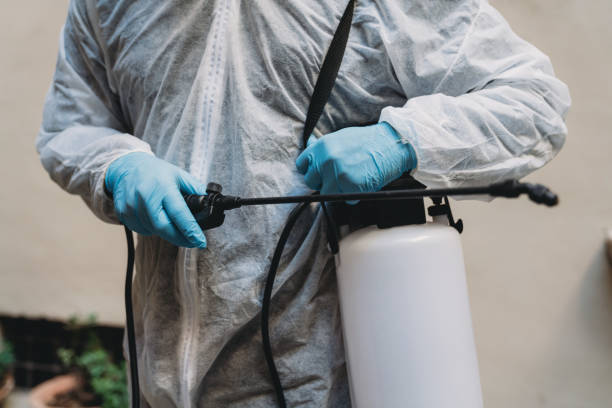
House pest control Professional exterminator in protective workwear spraying pesticide in apartment kitchen. pest control stock pictures, royalty-free photos & images

When dealing with pest infestations, selecting the right pest control company is crucial for ensuring effective and long-lasting results. With so many options available, it’s important to evaluate your choices carefully. This guide provides practical advice to help you choose a reliable pest control service provider that meets your needs.

Assess Your Specific Needs

Before contacting a pest control company, take time to assess your specific situation:
Type of Pest: Determine the type of pest you’re dealing with (e.g., termites, rodents, cockroaches, ants). Different companies specialize in treating specific types of pests.
Severity of Infestation: Understand whether it’s a minor or severe problem as this may influence the methods and services required.
Residential vs. Commercial Services: Identify whether you need assistance for your home or business property since some companies specialize in one over the other.

Research and Shortlist Companies

Conduct thorough research before making any decision. Here are some steps you can take:
1. Online Reviews and Ratings: Explore platforms like Google Reviews, Yelp, or Better Business Bureau (BBB) for customer feedback on local pest control companies.
2. Referrals: Seek recommendations from friends, family members, or colleagues who have had positive experiences with a particular provider.
3. Local Listings: Focus on companies within your geographical area since they are more familiar with local pests and regulations.

Key Factors to Consider

Factor What to Look For
Licensing & Certification Ensure the company holds proper licenses and certifications required by state or local authorities.
Methods Used Confirm whether they use eco-friendly treatments if this is important to you (e.g., non-toxic options).
Insurance Coverage Verify that they have liability insurance in case damage occurs during service delivery.
Guarantees Offered Ask if they provide warranties for their work or free follow-up services if pests reappear.

Compare Quotes

Obtain detailed quotes from at least three different providers before making a decision. Be cautious of extremely low prices as these could indicate subpar service quality or hidden fees later on.

Key details in quotes should include: – Scope of services – Types of treatment plans – Frequency of visits – Total cost breakdown

Ask Questions During Consultations

Don’t hesitate to ask questions during initial consultations such as: – How long will it take to see results? – What safety measures do they implement for children and pets? – Can they provide references from previous clients?

Check Customer Service Quality

How a company treats potential customers can be an indicator of their professionalism: – Responsiveness when scheduling inspections – Willingness to answer questions thoroughly – Clear communication regarding processes and expectations

By taking these steps into account when selecting a pest control company, you’ll be better equipped to make an informed decision that aligns with your needs while ensuring effective results over time.

How to Choose the Best Pest Control Company for Your Needs

When it comes to protecting your home or business from pests, selecting the right pest control company is a decision that requires careful consideration. With numerous options available, it’s essential to know what to look for in a reliable and professional service provider. Below are some practical tips to guide you through the selection process.

Ensure Exterminators in Florida Have Proper Licensing and Certification

  • Confirm their compliance with pest control licensing requirements.
  • Look for certifications from trusted organizations like the National Pest Management Association (NPMA) or QualityPro.
  • Ask whether their technicians are trained in the latest pest management techniques.

Having certified professionals ensures peace of mind that your pest problem will be handled effectively and safely.

Exploring the Best Pest Removal Services in Florida

  1. Read Online Reviews: Browse platforms like Google, Yelp, or Better Business Bureau (BBB) for genuine feedback from previous customers.
  2. Ask for References: Request contact details of past clients who can vouch for their work.
  3. Look at Case Studies: Many established companies showcase their success stories on their websites.

By researching thoroughly, you can gauge how well the company delivers on its promises.

Discover the Full Range of Florida Pest Control Services

  • Do they specialize in residential or commercial pest control?
  • Can they handle common pests such as ants, termites, rodents, or bed bugs?
  • Do they offer preventive treatments as well as emergency services?

Choosing a versatile company ensures you’ll receive appropriate solutions regardless of the type of infestation.

Explore Pest Removal Pricing Options

Company Name Services Included Cost Estimate
Pest Solutions Termite Inspection & Removal $250/session
Safe Pest Rodent Control $150/session
EcoPest Full-Service Pest Management $400/biannual

Be wary of prices that seem too low—it could be an indication of subpar services.

Confirm Use of Safe Practices

  • Does the company use environmentally friendly products?
  • Are they transparent about potential risks associated with treatments?
  • Do they offer guidelines on how to prepare your home or business before treatment?

A responsible pest control provider will prioritize both effectiveness and safety for people, pets, and the environment.

With these essential tips in mind, selecting the perfect pest control company becomes a more manageable task. By doing thorough research and asking critical questions upfront, you can find a service provider capable of delivering effective results while meeting your unique needs effectively.

Key Qualifications to Look for in a Professional Pest Control Company

When selecting a pest control company, it is essential to evaluate their qualifications to ensure effective and safe pest management. Choosing a reputable provider with the right credentials can save time, money, and effort in the long run. Below are key qualifications to consider when hiring a professional pest control company.

Licensing and Certification

  • State License: Pest control companies are typically required to hold a valid license issued by state authorities. Always check if their license is active and up-to-date.
  • Certified Technicians: Trained technicians should have certifications from organizations like the National Pest Management Association (NPMA) or other reputable bodies.
  • Specialized Certifications: If you require specific treatments (e.g., termite fumigation or organic pest control), ensure that technicians have specialized certifications in those areas.

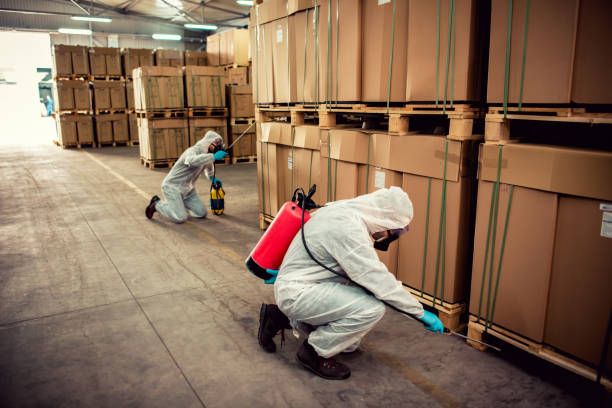
Exterminators in warehouse spraying pesticides with sprayer Exterminators in warehouse spraying pesticides with sprayer pest control stock pictures, royalty-free photos & images

Knowledgeable Staff

  • Ask detailed questions about the types of pests they typically deal with.
  • Evaluate their ability to explain treatment options clearly.
  • Assess whether they can provide preventative measures tailored to your specific needs.

A knowledgeable team can provide more accurate diagnoses and effective solutions.

Use of Eco-Friendly Solutions

  • Check if they use Integrated Pest Management (IPM) techniques.
  • Confirm that products comply with Environmental Protection Agency (EPA) standards.
  • Ask about alternatives to harsh chemicals when dealing with sensitive environments like homes with children or pets.

Insurance Coverage

Type of Insurance Purpose
General Liability Covers accidental damage caused to your property during service
Workers’ Compensation Protects you from liability if an employee gets injured on your premises

This layer of protection adds peace of mind throughout the process.

Positive Reviews and References

  1. Search online platforms such as Google Reviews, Yelp, or Better Business Bureau (BBB).
  2. Ask for references directly from the company—reliable businesses should willingly provide them.
  3. Look out for consistent feedback regarding professionalism, effectiveness, and timeliness.

Guarantees on Services

  • Guarantees may include free follow-ups within a specified period if pests reappear.
  • Warranties can be particularly useful for services like termite treatments which require extended coverage.

Be sure to review terms carefully before committing.

By focusing on these qualifications—licensing, knowledgeable staff, eco-friendly solutions, insurance coverage, positive reviews, and service guarantees—you can select a professional pest control provider equipped to handle your needs effectively while ensuring safety and reliability throughout every step of the process.

Key Qualifications to Look for in a Professional Pest Control Company

When selecting a pest control company, ensuring that the service provider meets specific qualifications is critical to achieving effective and safe pest management. Below are key qualifications you should consider when evaluating a professional pest control company.

Licensing and Certification

A professional pest control company must hold valid licenses and certifications. These credentials demonstrate compliance with local regulations and industry standards. Always confirm that: – The company is licensed in your state or region. – Technicians are certified by recognized institutions, such as the National Pest Management Association (NPMA). – Pesticides used are approved by relevant environmental agencies.

Proper licensing and certification ensure the technicians are trained to handle chemicals safely and implement appropriate treatment methods.

Experience in the Field

Experienced pest control providers often deliver more reliable results. Companies with years of expertise have likely encountered various infestation scenarios, allowing them to tailor solutions effectively.

Questions to ask: – How long has the company been in business? – What types of pests do they specialize in? – Do they have experience handling infestations similar to yours?

Hiring a team with extensive experience can reduce risks while ensuring optimal results.

Integrated Pest Management (IPM) Approach

Look for companies that practice Integrated Pest Management (IPM), which focuses on long-term prevention through environmentally responsible methods. IPM strategies include: 1. Inspecting and identifying the root cause of infestations. 2. Implementing targeted treatments. 3. Monitoring pest activity post-treatment. 4. Educating clients on preventative measures.

This approach minimizes dependency on chemical solutions while prioritizing safety.

Insurance Coverage

An insured pest control company protects both its employees and customers from potential liabilities. Verify whether: – They carry general liability insurance. – Employees are covered by worker’s compensation insurance.

This documentation ensures you won’t be held financially responsible for accidents or damages during service visits.

Safety Measures and Eco-Friendly Practices

Pest control treatments often involve products that could impact health or the environment if misused. A reputable provider will prioritize safety by: – Using EPA-approved products. – Offering pet- and child-friendly options. – Providing detailed instructions on post-treatment precautions.

Additionally, inquire about their commitment to sustainable practices, such as utilizing non-toxic alternatives whenever possible.

Criteria Why It Matters
Licensing & Certification Compliance with legal standards
Experience Ensures tailored solutions for unique problems
IPM Approach Long-term prevention; eco-friendly
Insurance Coverage Financial protection during services
Safety & Eco-Friendly Options Reduces health/environmental risks

References and Reviews

Reputation speaks volumes about a company’s professionalism and reliability. Before hiring, take time to: – Read online reviews on platforms like Google or Yelp. – Check for testimonials on their website. – Request references from past clients who faced similar issues.

A trustworthy company will have positive feedback reflecting consistent quality service delivery.

By carefully evaluating these qualifications, you’ll be better equipped to choose a professional pest control provider capable of addressing your needs effectively while maintaining high standards of safety and quality customer care.

How Exceptional Customer Services Can Make a Difference in Pest Control

When it comes to pest control, exceptional customer service is a critical factor that can set a company apart. Beyond just eliminating pests, the experience a customer has throughout the process plays an essential role in satisfaction and trust. Below are some ways in which outstanding customer service can elevate your experience when dealing with pest control professionals.

Clear Communication and Responsiveness

Good communication is essential for building trust and ensuring that all concerns are addressed promptly. Exceptional pest control companies focus on keeping their clients informed at every step of the process.

  • Prompt Responses: Companies with great customer service respond quickly to inquiries, whether they come via phone, email, or online chat.
  • Transparent Information: Providing clear details about the treatment plan, pricing structure, and potential risks ensures customers feel confident in their decision.
  • Follow-Ups: Regular updates during the treatment process and follow-ups after services have been completed demonstrate dedication to customer satisfaction.

Personalized Solutions

A company that delivers excellent customer service understands that each client’s needs are unique. Instead of offering one-size-fits-all solutions, they take steps to tailor their approaches for maximum effectiveness.

  • Conducting thorough inspections before recommending treatments.
  • Taking into account specific preferences (e.g., eco-friendly or non-toxic treatments).
  • Customizing long-term maintenance plans tailored to individual homes or businesses.

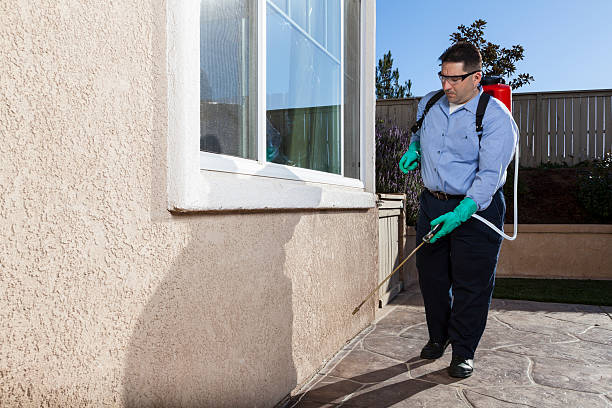
Pest Control Man treating house for pest control. Professional exterminator. pest control stock pictures, royalty-free photos & images

Professionalism Throughout the Process

Another hallmark of exceptional customer service is professionalism at every touchpoint. From initial contact to post-treatment check-ins, a positive attitude and respect for the client’s property go a long way.

Key attributes include: – Well-trained technicians who are courteous and respectful. – On-time arrival for appointments with minimal disruption to daily routines. – Ensuring cleanliness by properly disposing of chemicals or equipment after use.

Aspect Poor Service Exceptional Service
Response Time Delayed replies Immediate or same-day responses
Treatment Planning Generic solutions Tailored strategies
Technician Behavior Unprofessional demeanor Respectful and knowledgeable staff

Educating Customers

Exceptional pest control companies empower customers by educating them about prevention methods and potential risks associated with infestations. This creates long-lasting value by helping clients avoid recurring issues.

For example:
– Offering tips on how to seal entry points for pests like rodents or ants.
– Sharing insights on proper food storage practices to deter cockroaches or pantry pests.
– Providing guidance on regular maintenance schedules that reduce vulnerabilities over time.

Benefits of Outstanding Customer Service

  1. Peace of mind knowing you’re working with professionals who care about your well-being.
  2. A smoother overall experience without unnecessary delays or miscommunications.
  3. Increased confidence in both short-term results and long-term preventative measures.

By prioritizing companies that excel in customer care, homeowners and businesses alike can ensure their pest control experience is not only effective but also stress-free from start to finish.

Why Comparing Prices Matters When Choosing Pest Control Services

When searching for a pest control service, comparing prices is a critical step in making the right choice. Cost plays a significant role in determining the value of services received, but it shouldn’t be the sole deciding factor. Below, we’ll break down why price comparison matters and how to approach it effectively.

Understanding Price Variances in Pest Control

  • Type of Pest: Common pests like ants or cockroaches may cost less to treat than termites or bed bugs.
  • Treatment Frequency: Single treatments are often cheaper than ongoing maintenance plans.
  • Methods Used: Companies using eco-friendly or integrated pest management (IPM) solutions may charge more than those relying on traditional chemical applications.
  • Extent of Infestation: Severe infestations may require more resources and time, leading to higher costs.
  • Location: Regional pricing differences and local regulations can also impact costs.

Benefits of Comparing Prices

  1. Avoid Overpaying
    By getting quotes from multiple providers, you can identify reasonable pricing for your specific needs and avoid being overcharged.
  2. Assess Value for Money
    Comparing prices helps you evaluate what’s included—some companies offer free inspections or additional guarantees that enhance overall value.
  3. Understand Service Quality Levels
    Extremely low-cost services might indicate subpar quality or hidden fees, while excessively high prices don’t always guarantee better results.
  4. Tailor Services to Your Budget
    It enables you to find customized options that align with your budget without compromising on essential treatments.

How to Compare Prices Effectively

  1. Gather at least three written quotes from licensed and reputable providers.
  2. The type of pests covered
  3. The treatments proposed (e.g., baiting systems, spraying)
  4. Any warranties provided
  5. Look out for package offers if ongoing maintenance is required.
  6. Check for potential additional expenses such as emergency call-out fees or follow-up visits not included in the initial quote.

Sample Price Comparison Table

Service Type Company A Company B Company C
Initial Inspection $50 Free $75
Ant Treatment (Single Visit) $150 $125 $140
Termite Treatment (Full) $1,200 $950 $1,050
Ongoing Quarterly Plan $300/year $275/year $325/year

Note: Always verify what’s included in quoted prices.

Additional Factors Beyond Cost

  • Reputation and reviews
  • Licensing and certifications
  • Warranties and guarantees
  • Customer service responsiveness

Selecting a provider purely based on cost could result in poor quality outcomes or recurring infestations—an expense no one wants to incur repeatedly.

By taking the time to compare pricing holistically alongside other critical factors, you’ll increase your chances of selecting an effective and reliable pest control solution that fits your needs and budget perfectly.

The Value of Experience in Effective Pest Management Solutions

When facing a pest infestation, choosing a pest control company with substantial experience can make the difference between temporary relief and long-term solutions. Experienced professionals bring essential expertise, advanced skills, and industry knowledge that are crucial for effectively managing pests.

Why Experience Matters

  • In-Depth Knowledge: Companies with years of experience understand the behaviors, lifecycles, and habitats of various pests. This allows them to pinpoint the root cause of infestations rather than treating only the symptoms.
  • Tailored Solutions: Experienced pest control providers can develop customized treatment plans based on the type of infestation and property specifics.
  • Efficient Practices: With time-tested methods at their disposal, experienced companies provide efficient services that minimize disruption to your home or business.

Key Advantages of Hiring Experienced Providers

  1. Accurate Pest Identification
    Identifying pests correctly is critical for effective management. A seasoned pest control professional knows how to distinguish between species that may appear similar but require vastly different treatment strategies.
  2. Proven Treatment Methods
    Experienced companies often use methods backed by years of success in combating infestations, from eco-friendly options to advanced chemical treatments.
  3. Regulatory Compliance
    Long-standing professionals are well-versed in federal, state, and local regulations governing pesticide use and safety measures—a critical aspect for those in sensitive environments like schools or healthcare facilities.
  4. Preventative Strategies
    Beyond addressing active infestations, experienced providers focus on long-term prevention measures to reduce future risks.

Comparing Novice vs. Experienced Pest Control Companies

Aspect Novice Providers Experienced Providers
Knowledge Level Limited understanding of varied pests Extensive knowledge across species
Treatment Effectiveness Basic or generic solutions Tailored and proven methods
Risk Assessment Limited ability Well-developed risk evaluation
Industry Tools & Products May lack access to advanced tools Equipped with state-of-the-art tools

Questions to Ask About Experience

  • How many years have you been in business?
  • Have you dealt with this specific type of pest infestation before?
  • Can you provide references from previous clients?
  • Do your technicians hold certifications backed by training programs?

These questions can help determine if they have the expertise required for your situation.

Final Thoughts on Experience in Pest Management

The value of experience cannot be overstated when selecting a pest control company for your home or business. From understanding complex infestations to providing long-term prevention strategies, experienced professionals ensure reliable results while maintaining safety for all involved parties.


Choosing a reliable pest control service is crucial for maintaining a safe and pest-free home. With numerous companies offering pest eradication solutions, it is essential to evaluate their effectiveness, reliability, and safety measures. Below are actionable strategies to help you select the best pest control services tailored to your needs.

Tailor Florida Pest Control Services to Your Specific Needs

Before selecting a pest control company, identify the type of infestation affecting your property. This step ensures you choose professionals experienced in dealing with your particular problem.

  • Common Pests: Termites, rodents, ants, cockroaches, bed bugs, and mosquitoes.
  • Specialized Needs: Wildlife removal (raccoons, squirrels), bird control, or treatment for exotic pests.
  • Severity: Determine whether it’s a minor issue or requires ongoing monitoring and treatment.

Find and Compare Exterminators in Florida

Not all pest control services are created equal. Take time to research companies in your area to identify one that best suits your requirements.

  1. Certifications and Licenses: Verify that the company holds valid licenses and certifications issued by state or national regulatory bodies.
  2. Experience: Check how long the company has been in business and whether they specialize in addressing your specific pest concerns.
  3. Reputation: Read online reviews on trusted platforms such as Google Reviews or Better Business Bureau (BBB) ratings.
  4. Customer Support: Reliable companies provide clear communication about their services and respond promptly to inquiries.

Exploring Effective Pest Removal Services in Florida

Professional pest control companies often offer various treatment plans depending on the severity of infestations. Understanding their approach can help you determine if it aligns with your safety standards.

  • Inspection Process: Does the company offer an initial inspection to assess the problem?
  • Chemical Use: Are low-toxicity pesticides used? Are they environmentally friendly?
  • Non-Chemical Methods: Ask if they incorporate Integrated Pest Management (IPM), which focuses on prevention techniques alongside minimal chemical intervention.
Treatment Plan Description Safety Level
Chemical Use of pesticides/insecticides Medium – ensure proper use
Organic Natural oils, plant-based sprays High – eco-friendly
Heat Treatment Thermal application for bed bugs High – non-toxic
Traps Mechanical trapping for rodents Varies – depends on methods

Maintain Cost Transparency with Florida Pest Control Service

Budget considerations play an important role when choosing a service provider. Be cautious of hidden fees.

  • Inspection charges
  • Single treatments vs recurring services
  • Emergency callout rates
  • Compare quotes from multiple providers—cheaper doesn’t always mean better.

Explore Pest Removal Services with Warranties and Follow-Up Options

  • Free re-treatments if pests return within a specified timeframe.
  • Scheduled follow-up visits as part of long-term management plans.

Questions to Ask Potential Providers

  1. What types of pests do you specialize in?
  2. What methods will you use for my situation? Are there any risks involved?
  3. Do you provide written contracts detailing costs and warranties?

By following these strategies methodically, homeowners can confidently select high-quality pest control services that not only eliminate infestations but also ensure safety and peace of mind over time.

DIY vs Professional Pest Control: Understanding the Best Option for Effective Results

When facing a pest problem, homeowners often wrestle with the choice between tackling it themselves or hiring professional pest control services. Both approaches have their merits and drawbacks, and understanding these can help you choose the best solution for your specific circumstances. Below is a detailed comparison of DIY and professional pest control options.

Advantages of DIY Pest Control

  • Cost Savings: DIY methods are typically less expensive as they avoid labor costs associated with professional services.
  • Convenience and Accessibility: Many over-the-counter pesticides and traps are readily available at local stores or online.
  • Immediate Action: Homeowners can address minor issues as soon as they arise, without waiting for an appointment.

However, effectiveness depends largely on accurate identification of the pest, proper application techniques, and adherence to safety instructions. Misuse of chemicals or incomplete eradication may lead to recurring infestations.

Limitations of DIY Pest Control

  • Difficulty in identifying certain pests correctly.
  • Limited tools or products available to non-professionals.
  • Lack of knowledge regarding pest behavior and lifecycle.
  • Potential misuse of pesticides that may harm non-target species or family members.

For larger infestations or persistent problems, DIY methods often fall short due to these limitations.

Benefits of Professional Pest Control

  1. Expert Knowledge: Professionals are trained to identify pests accurately and understand their habits, allowing them to tailor treatment plans effectively.
  2. Comprehensive Solutions: They often provide integrated pest management (IPM) strategies that address the root cause—not just visible symptoms—of an infestation.
  3. Access to Advanced Products: Professionals use high-quality treatments that may not be available for public purchase.
  4. Guaranteed Results: Many companies offer warranties or follow-up visits if the infestation persists after initial treatment.

Hiring experts is especially recommended for severe infestations involving termites, bedbugs, or other invasive species that are notoriously difficult to eliminate using basic methods.

Drawbacks of Professional Pest Control

Factor Details
Cost Professional services can be expensive depending on the severity of infestation.
Scheduling Availability may delay immediate action during urgent situations.
Chemical Use Concerns Some homeowners worry about exposure to stronger chemicals used by professionals (though many opt for eco-friendly options).

Weighing these factors against your specific needs is essential before deciding which route is best.

Factors to Consider When Choosing Between DIY & Professional Methods

  • Severity of Infestation: Minor ant trails may be manageable with traps or sprays; however, extensive termite damage typically requires specialized intervention.
  • Type of Pest: Certain species like rodents or wasps often need expert handling due to safety risks involved in removal.
  • Time Commitment: Busy households may find it more practical to hire professionals rather than manage time-consuming treatments themselves.
  • Budget Constraints: While upfront costs are higher for professional services than store-bought solutions, long-term savings generated by thorough eradication should also be considered.

Ultimately each approach has scenarios where it excels over others

DIY vs Professional Pest Control: Understanding the Best Option for Effective Results

When facing a pest problem, homeowners often find themselves debating between handling the issue on their own or hiring professional pest control services. Each approach has its own set of advantages and disadvantages, and understanding these can help you make an informed decision that suits your specific needs and circumstances.

Benefits of DIY Pest Control

  • Cost-Effective: Often cheaper than hiring professionals as you only pay for the products you need.
  • Immediate Action: Accessing over-the-counter solutions allows you to act quickly without waiting for appointments.
  • Control Over Products Used: You can choose eco-friendly or organic options tailored to your preferences.
  • Routine Maintenance: Using DIY methods like traps, barriers, and repellents can help prevent pests before they become a bigger issue.

However, while DIY may work well for small-scale problems, it has limitations when dealing with larger infestations or hard-to-tackle pests such as termites or bed bugs.

Benefits of Professional Pest Control

  • Comprehensive Knowledge: Pest control experts are trained in identifying different species of pests and their behavior patterns, allowing them to offer targeted solutions.
  • Access to Specialized Equipment: Professionals have access to industrial-grade products not available over-the-counter, which often deliver more effective results.
  • Long-Term Prevention Plans: Many companies provide ongoing maintenance plans that ensure pests don’t return after initial treatment.
  • Time-Saving: Hiring experts saves time compared to trial-and-error efforts with DIY approaches.
  • Safety Prioritization: Licensed professionals adhere to strict safety regulations when applying treatments, minimizing risks to children, pets, or the environment.

Comparing Costs & Effectiveness

Factor DIY Pest Control Professional Pest Control
Cost Lower upfront costs Higher initial investment
Effectiveness May work for minor issues Highly effective against severe infestations
Product Knowledge Limited (depends on personal research) Extensive training and expertise
Safety Risk of misuse of chemicals Adherence to safety protocols
Time Commitment Significant (research and application) Minimal (handled by experts)

Factors to Help You Decide

  1. For small-scale problems like ants or flies, DIY methods may suffice.
  2. For complicated infestations involving termites or rodents, professional help is recommended.
  3. If you’re on a tight budget but confident in your abilities, DIY might be suitable.
  4. For long-term value and effectiveness despite higher upfront costs, go with professionals.
  5. Households with children or pets should prioritize safe pest management practices offered by licensed professionals.
  6. If you’re juggling a busy schedule, outsourcing the task ensures efficient results without sacrificing valuable time.

Both DIY methods and professional services have their merits depending on your circumstances; understanding these differences empowers you in making the best choice for effective pest management strategies at home.

Step-by-Step Guide to Identifying and Addressing Your Specific Pest Problem

Properly identifying and addressing a pest problem is crucial for effective pest control. A clear understanding of the specific pest issue helps in deploying the right strategies and ensuring long-term success. Below, we provide a step-by-step guide to help you systematically deal with any pest infestation.

Step 1: Identify the Pest

The first step to solving any pest problem is correctly identifying the type of pest. Different pests require different treatment methods, so misidentification could render your efforts ineffective.

  • Droppings (rodents, cockroaches)
  • Shed skins or body parts (insects)
  • Grease marks or trails (rodents)
  • Damage to furniture, walls, or food packaging
  • Unusual smells (e.g., musty odor from rodents)
  • Magnifying glass for small insects
  • Flashlight for dark areas like basements or attics
  • Pest identification resources (books, online databases)

If unsure, consider consulting a professional who can correctly identify the issue.

Step 2: Assess the Severity of Infestation

After identification, determine how widespread the infestation is. This will guide you in deciding whether to handle it yourself or seek professional help.

  • How large is the affected area?
  • Are pests appearing during the day? Daytime activity might indicate a significant infestation.
  • Have structural damages occurred due to pests?
Area Inspected Signs of Infestation Estimation of Severity
Kitchen Droppings under sink Moderate
Basement None Low
Bedroom Bed bug sightings High

Step 3: Identify Entry Points

Pests often enter homes through cracks, gaps, and other vulnerabilities. Conduct a thorough inspection of your home’s interior and exterior for potential entry points.

  • Key areas to inspect:
    • Doors and windows: Check for gaps and install weatherstripping.
    • Walls: Look for holes along baseboards.
    • Roofs: Inspect vents and chimneys.
    • Plumbing: Ensure pipes are sealed properly.

Using caulk or mesh screens can effectively seal these entry points.

Step 4: Choose an Appropriate Control Method

Once you understand what you’re dealing with, select an appropriate method to address it.

  1. DIY Methods: If the infestation is minor:
  2. Use adhesive traps for crawling pests like cockroaches.
  3. Apply natural remedies such as diatomaceous earth for ants or boric acid for roaches.
  4. Use essential oils like peppermint oil as deterrents.
  5. Professional Services: For severe infestations or hard-to-treat pests such as termites or bed bugs:
  6. Engage licensed professionals who use advanced tools and treatments.
  7. Request eco-friendly solutions if you wish to avoid chemical-based treatments.

Step 5: Monitor Progress

Even after treatment, regular monitoring ensures that pests haven’t returned. Keep an eye out for recurring signs and reassess vulnerabilities around your home.

  • Set up monitoring traps in key areas.
  • Schedule periodic inspections with pest control professionals if needed.

By following these steps diligently, you’ll be better equipped to tackle any pest problem effectively while minimizing risks associated with improper handling.

Evaluating Treatment Methods and Safety: Choosing Effective and Safe Pest Control Solutions

When it comes to pest control, selecting the right treatment method is crucial for both effectiveness and safety. With various options available, understanding how to evaluate these methods ensures that your home remains pest-free while prioritizing the health of your family, pets, and the environment. Below, we break down key considerations when evaluating pest control treatments.

Key Factors to Consider When Choosing a Treatment Method

  1. Type of Pest
    Different pests require specific treatment methods. For instance:
  2. Rodents may need traps or bait stations designed for their behavior.
  3. Insects like ants might require targeted gel baits or granular treatments.
  4. Termites often call for professional-grade liquid termiticides or baiting systems.
  5. Small infestations can often be managed with localized solutions like sprays or traps.
  6. Large-scale infestations may demand more intensive measures, such as fumigation or integrated pest management (IPM) plans.
  7. Safety for Occupants
    Ensuring the safety of all household members is paramount:
  8. Opt for non-toxic or low-toxicity solutions whenever possible.
  9. If chemical pesticides are necessary, ensure they are approved by relevant regulatory bodies (e.g., EPA in the United States).
  10. Choose products labeled as safe for children and pets.
  11. Look for eco-friendly solutions that minimize environmental damage.
  12. Options such as biological controls (e.g., introducing natural predators) can offer an environmentally safe alternative to synthetic chemicals.
  13. Longevity of Results
    Treatments vary in terms of how long they remain effective:
  14. Short-term treatments may address immediate issues but require frequent reapplication.
  15. Long-lasting solutions like baiting systems provide ongoing protection but may take longer to yield results initially.

Comparing DIY vs Professional Treatment Methods

Criteria DIY Solutions Professional Treatments
Cost Typically lower upfront cost May involve higher initial investment
Expertise Required Requires research and knowledge Handled by licensed experts with specialized training
Effectiveness May work well for minor infestations More effective for severe or recurring problems
Safety Depends on proper use; risks vary based on product Professionals ensure stringent safety protocols

Tips for Selecting Safe Pest Control Solutions

  • Research Ingredients: Review product labels to identify potentially harmful chemicals like organophosphates or pyrethroids.
  • Ask About Integrated Pest Management (IPM): IPM combines multiple strategies—biological, mechanical, and chemical—to effectively manage pests with minimal risk.
  • Check Certifications: Ensure any professional service provider you choose holds certifications from reputable organizations such as the National Pest Management Association (NPMA).
  • Request Documentation: When hiring professionals, ask about Material Safety Data Sheets (MSDS) to understand any risks associated with proposed treatments.

By carefully evaluating treatment methods and prioritizing safety considerations, you can address pest problems effectively without compromising health or environmental integrity.

Common Household Pests and How Professional Services Effectively Eliminate Them

Pest infestations can be a serious concern for homeowners, often leading to structural damage, health risks, and general discomfort. Identifying common household pests and understanding how professional pest control services tackle these problems can help ensure a pest-free environment. Below is an overview of the most common household pests and the methods professionals use to effectively eliminate them.

1. Ants

Ants are one of the most frequent nuisances in homes, especially in kitchens and pantries where food sources are abundant.

Professional Elimination Techniques:Inspection: Professionals identify nesting areas and entry points.
Baiting Systems: Slow-acting baits are strategically placed to allow ants to carry poison back to their colonies.
Barrier Treatments: Chemical barriers are applied around the home’s perimeter to deter new infestations.

2. Cockroaches

Cockroaches are not only unsightly but also carry bacteria that may cause food poisoning or infections.

Professional Elimination Techniques:Gel Baiting: Technicians use gel-based insecticides in hard-to-reach areas like under sinks or behind appliances. – Targeted Insecticides: Non-residual sprays or dust formulations are applied in high-risk zones. – Sanitation Recommendations: Professionals often provide advice on maintaining cleanliness as part of an integrated pest management program.

3. Rodents (Mice and Rats)

Rodents can damage property by gnawing on wires, insulation, or wood while spreading diseases like hantavirus or leptospirosis.

Professional Elimination Techniques:Trapping Systems: Snap traps or bait stations are used in strategic locations. – Exclusion Methods: Entry points such as gaps in walls or foundations are sealed. – Monitoring Devices: Motion detectors or tracking powders may be employed for ongoing surveillance.

Rodent Control Methods Purpose Examples
Trapping Capture rodents alive or dead Snap traps, glue traps
Bait Stations Poison delivery mechanism Tamper-resistant bait boxes
Structural Exclusion Prevent re-entry Sealing holes, mesh barriers

4. Termites

Termites pose a significant risk by consuming wood structures and compromising a building’s integrity.

Professional Elimination Techniques:Soil Treatments: Liquid termiticides are injected into the soil around foundations. – Baiting Systems: Termite baits with slow-release pesticides target colonies over time. – Wood Treatment Products: Wood is treated with borate solutions to prevent future infestations.

5. Bed Bugs

Bed bugs can quickly spread throughout a home, feeding on human blood while leaving itchy bites behind.

Professional Elimination Techniques:Heat Treatments: Professionals raise room temperatures above 120°F to kill all life stages of bed bugs. – Insecticide Application: Specific areas like mattresses, bed frames, and furniture cracks are treated with approved chemicals. – Steam Cleaning & Vacuuming: These methods help remove eggs and live bugs before chemical treatment.

6. Spiders

While most spiders are harmless, their presence can be unsettling for many homeowners.

Professional Elimination Techniques:Web Removal Services: Technicians physically remove webs from ceilings and corners. – Residual Sprays: Long-term insecticides deter spiders from returning. – Integrated Pest Management (IPM): Controlling other insects (their food source) reduces spider populations naturally.

Benefits of Hiring Professionals for Pest Control

  1. Use of industry-grade products inaccessible to consumers.
  2. Expertise in identifying pests and tailoring treatment plans accordingly.
  3. Regular follow-ups ensure that infestations do not recur over time.
  4. Comprehensive education on preventive measures specific to your home environment.

By relying on trained professionals equipped with modern tools and knowledge about effective pest management practices, you can protect your home from common household pests efficiently while ensuring safety for you and your family members at all times.


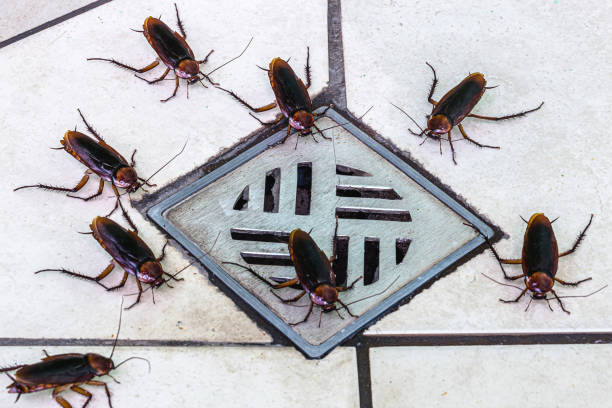
cockroach entering a dirty bathroom drain. Poor hygiene, problem with pests and insects at home cockroach entering a dirty bathroom drain. Poor hygiene, problem with pests and insects at home cockroaches stock pictures, royalty-free photos & images

Pest control is a critical aspect of maintaining a clean, safe, and healthy living or working environment. Regular pest control measures help eliminate harmful pests that can compromise health, damage property, and cause significant discomfort. A pest-free environment is not just a matter of convenience; it also plays a key role in preventing various risks associated with infestations.

Why Regular Pest Control Matters

  1. Health Protection
    Pests such as rodents, cockroaches, and mosquitoes are known carriers of diseases.
  2. Rodents can spread conditions such as leptospirosis and hantavirus.
  3. Cockroaches are linked to allergies and asthma triggers due to their droppings and shed skins.
  4. Mosquitoes transmit illnesses like malaria, dengue fever, and Zika virus.

Regular pest control minimizes the risk of exposure to these harmful vectors by addressing the problem before it spreads.

  1. Property Preservation
    Pests can cause substantial structural damage over time:
  2. Termites feed on wood, weakening furniture and walls.
  3. Rodents chew through electrical wiring, insulation, or drywall.
  4. Carpet beetles damage textiles such as clothing or upholstery.

Routine pest inspections and treatments catch infestations early and reduce long-term repair costs.

  1. Economic Benefits
    While pest control services may seem like an upfront expense, they often save money in the long run by preventing costly damages or health-related issues.
  2. Mental Well-being
    Living with pests can cause stress due to their unsanitary presence or fear of infestations spreading further. A pest-free space promotes peace of mind.

Key Components of Regular Pest Control

  1. Scheduled Inspections
    Conducting periodic inspections helps identify potential issues before they escalate into full-blown infestations.
Frequency Recommended By Examples
Monthly High-risk areas (e.g., food storage) Restaurants/kitchens
Quarterly Residential homes Preventive maintenance
Semi-Annually Commercial buildings Offices/warehouses

  1. Effective Florida Pest Control Service Measures
    Proactive actions reduce the chances of pests invading your space:

    • Seal cracks around doors/windows.
    • Fix leaky pipes or standing water sources that attract insects.
    • Store food in airtight containers to limit access for pests like ants or rodents.
  2. Environmentally Friendly Treatments
    Many modern pest management strategies focus on eco-friendly solutions:
  3. Use integrated pest management (IPM) practices that combine biological controls with targeted chemical applications.
  4. Opt for non-toxic baits and traps whenever possible to minimize harm to beneficial insects like bees or local wildlife populations.

Benefits of Partnering with Professionals

Though DIY methods might seem sufficient at first glance, professional pest control services offer distinct advantages: – Expertise in identifying specific pests and understanding their behavior patterns. – Access to specialized equipment not available for public use. – Long-term solutions tailored specifically for your home or business needs rather than generalized store-bought remedies.

By prioritizing regular pest control efforts, individuals ensure healthier environments while mitigating risks associated with neglecting this essential task.

Effective Ways Exterminators in Florida Protect Your Furniture and Keep It Pest-Free

Protecting your furniture from pests is essential, as infestations can lead to significant damage. Termites, beetles, rodents, and even bed bugs are common culprits that can wreak havoc on your home’s furnishings. Proper preventive measures and regular maintenance can help you safeguard your investment. Below are effective strategies to ensure your furniture remains pest-free.

Effective Pest Removal Services in Florida for Common Furniture Infestations

  • Termites: These insects feed on wood and can cause structural damage.
  • Carpenter Ants: They burrow into wood but do not consume it like termites.
  • Wood-Boring Beetles: These pests create holes in wooden furniture, laying their eggs inside.
  • Rodents: Mice and rats may gnaw on upholstered furniture or padding for nesting material.
  • Bed Bugs: Found primarily in mattresses and upholstered furniture, they are notorious for being difficult to remove once established.

Knowing the threats will help you take targeted action against them.

Preventive Measures

  1. Frequently vacuum upholstery and crevices where crumbs or dust might accumulate.
  2. Wipe down hard surfaces with appropriate cleaners to remove debris that attracts pests.
  3. Check for signs of infestation such as droppings, frass (fine sawdust), chew marks, or tiny holes in the wood.
  4. Pay attention to dark corners or unused pieces of furniture where pests may hide.
  5. Keep eating areas separate from living spaces when possible.
  6. Clean up spills immediately to avoid attracting insects like ants or cockroaches.
  7. Employ dust covers for unused wooden pieces or storage items.
  8. Invest in mattress protectors designed to repel bed bugs.
  9. Apply sealants around windows, doors, baseboards, or other entry points near furniture areas where pests could enter your home.

Effective Pest Removal with Natural Deterrents

  • Use essential oils like lavender, cedarwood, or tea tree oil as natural repellents by diluting them with water and applying them near your furniture.
  • Place sachets of dried herbs such as mint leaves or cloves in drawers and cabinets to deter insects naturally.
Essential Oil Target Pest Application Method
Lavender Moths Spray diluted oil near wooden areas
Cedarwood Termites Apply directly onto wooden surfaces
Tea Tree Oil Bed Bugs Use diluted around seams of upholstery

Professional Treatment Options

  • Consider consulting a licensed pest control professional who specializes in treating infestations affecting household items like couches or cabinets.
  • For termites: Treatments like fumigation or liquid termiticides may be necessary.
  • For bed bugs: Heat treatment is often effective without damaging fabrics.
  • For rodents: Experts may use bait traps while advising how best to rodent-proof affected spaces permanently.

Regular inspections combined with professional assistance ensure comprehensive safety for all types of furnishings in your home.

Effective Ways to Protect Your Furniture and Keep It Pest-Free

Furniture is a significant investment, and protecting it from pests is essential to maintain its longevity and aesthetic appeal. Pests such as termites, beetles, ants, rodents, and cockroaches can damage various types of furniture, leaving you with costly repairs or replacements. Here are some effective ways to safeguard your furniture from pest infestations.

1. Regular Cleaning and Maintenance

  • Dusting: Frequently dust your wooden furniture to prevent the accumulation of debris that may attract pests.
  • Vacuuming Upholstery: Use a vacuum cleaner with an upholstery attachment regularly to remove crumbs, dirt, or hair that may draw insects like bed bugs.
  • Cleaning Spills Immediately: Food or drink spills should be addressed promptly as they can become a food source for pests.

2. Use Protective Covers

  • For upholstered furniture, use zippered encasements made of durable materials.
  • For wooden pieces, consider using slipcovers during long periods of non-use.

These covers can prevent bugs like bed bugs or fabric-damaging beetles from nesting in crevices or fabrics.

3. Control Moisture Levels

  • Use dehumidifiers in areas prone to high humidity levels.
  • Ensure all leaks in plumbing or near windows are repaired promptly.
  • Avoid placing wooden furniture directly on damp surfaces such as basements or outdoor patios without proper protection.

4. Treat Furniture with Pest Repellents

Type of Furniture Recommended Treatment
Wooden Anti-termite treatments (boric acid solutions)
Upholstered Fabric-safe sprays (lavender oil solutions)
Outdoor Weatherproofing paint with pest-repellent additives

Ensure that any product used is safe for household use and environmentally friendly whenever possible.

5. Seal Cracks and Gaps

  • Inspect the seams, legs, and corners of your furniture for cracks periodically.
  • Use wood filler or sealants to close gaps in wooden surfaces.

By eliminating these entry points, you reduce the likelihood of insect infestations.

6. Avoid Clutter Near Furniture

  • Limit storage under beds, sofas, and cabinets unless items are sealed in airtight containers.
  • Keep the area around large pieces of furniture free from unnecessary items like newspapers or cardboard boxes that serve as hiding spots for cockroaches or silverfish.

7. Schedule Professional Inspections

  • Pest specialists use advanced tools to detect hidden pests such as termites within wooden structures.
  • They offer tailored recommendations based on the type of infestation risk specific to your region.

Regular professional assessments combined with proactive measures significantly enhance the defense against potential threats.

By integrating these strategies into your routine maintenance plan, you not only extend the life span of your valuable furnishings but also create a healthier living space free from unwanted intruders.

Cockroaches crawl on bread to find something to eat, germs from dirty food. Cockroaches crawl on bread to find something to eat, germs from dirty food. cockroaches stock pictures, royalty-free photos & images

Prevent Infestations with a Trusted Pest Control Company

Proactive pest control is one of the most effective ways to prevent infestations before they become serious issues. Waiting until pests have already invaded your home or business can lead to extensive damage, health risks, and costly solutions. By taking preventive measures early on, you can maintain a safe, clean environment while reducing long-term expenses.

Benefits of Proactive Pest Control

  • Early Detection and Prevention: Regular monitoring allows you to identify potential pest issues before they escalate.
  • Cost Savings: Preventing infestations is often more affordable than dealing with widespread damage caused by pests.
  • Health Safety: Proactively controlling pests minimizes exposure to allergens and diseases spread by insects or rodents.
  • Property Protection: Preventive measures ensure that your furniture, walls, electrical systems, and other property remain intact and undamaged.

Key Strategies for Proactive Pest Control

  1. Regular Inspections
    Schedule routine inspections of your property to spot early signs of infestation such as droppings, nests, or structural damage. Engage professional pest control services if needed for comprehensive checks.
  2. Inspect windows and doors for gaps or cracks. Use weatherstripping and sealant to close these openings.
  3. Install mesh screens over vents and chimneys to block access points for pests like rodents and birds.
  4. Repair damaged walls or flooring that could serve as entryways for insects such as ants or cockroaches.
  5. Maintain Cleanliness
    Keeping your environment clean is essential in deterring pests:
  6. Store food items in airtight containers to reduce accessibility for pests like rats or pantry moths.
  7. Dispose of garbage regularly in tightly sealed bins.
  8. Clean up spills immediately, especially sugary substances that attract ants.
  9. Control Moisture Levels
    Pests are often drawn to damp environments:
  10. Fix leaky pipes, faucets, or drainage systems promptly.
  11. Use dehumidifiers in basements or crawl spaces where humidity levels may be high.
  12. Ensure proper ventilation in kitchens and bathrooms.
  13. Landscaping Maintenance
    The condition of your yard can directly impact pest activity:
  14. Trim overgrown bushes and trees that provide pathways into your home.
  15. Remove standing water from outdoor areas such as flowerpots or gutters.
  16. Keep firewood stored away from the house as it can attract termites.
Problem Area Recommended Action Targeted Pests
Cracks in walls Seal with caulk or concrete Ants, cockroaches
Humid spaces Use dehumidifiers Silverfish, mold mites
Food storage areas Use airtight containers Moths, rodents
Cluttered spaces Declutter regularly Spiders, roaches

When to Call Professionals

While proactive steps go a long way toward mitigating pest risks, some situations require professional assistance: – Recurring infestations despite preventive efforts. – Pests causing structural damage (e.g., termites). – Presence of dangerous species such as venomous spiders.

Professional pest control teams offer customized solutions using advanced tools like thermal imaging cameras for detection and eco-friendly treatments tailored to your needs.

By implementing these strategies alongside periodic professional evaluations, the risk of infestation can be significantly reduced while ensuring peace of mind in any residential or commercial space.

Get Professional, Customized Treatment for Comprehensive Pest Management

When it comes to managing pest issues effectively, professional and customized treatment options are essential. Every home or business faces unique challenges when dealing with pests due to factors such as location, structure type, age of the property, and climate. A personalized approach ensures that these specific variables are taken into account for a comprehensive and lasting solution.

Why Choose Professional Pest Management?

  • Expert Knowledge: Professionals have a deep understanding of pest behavior, biology, and nesting patterns.
  • Accurate Identification: Misidentification of pests can lead to ineffective treatments. Experts can identify the exact species and recommend tailored solutions.
  • Safer Treatments: Licensed professionals use EPA-approved methods and chemicals in a way that minimizes risks to people, pets, and the environment.
  • Long-Term Results: Customized strategies ensure that problems are resolved at their root cause rather than just addressing symptoms.

The Importance of Customized Treatments

  1. Inspect the property thoroughly to locate nests or entry points.
  2. Identify contributing factors such as moisture levels or food sources.
  3. Tailor treatment options based on the specific type of pest (e.g., ants versus rodents). Different pests require different approaches.
  4. Determine the most appropriate tools (traps, sprays) or techniques (exclusion barriers).
  5. Suggest structural fixes like sealing cracks and crevices.
  6. Provide recommendations for removing environmental attractants such as standing water or improper waste disposal.

Examples of Custom Approaches for Common Pests

Pest Type Customized Treatment Plan
Termites Baiting systems tailored to termite species; soil treatments near foundations
Cockroaches Gel bait application in high-traffic areas; sanitation guidelines for long-term prevention
Rodents Installing tamper-proof bait stations; exclusion methods like sealing entry holes
Bed Bugs Heat treatments focused on infested furniture; chemical treatments in cracks/crevices

Benefits of Comprehensive Management Plans

  • Reduction in pest-related health hazards (e.g., allergies or disease transmission).
  • Preservation of property value by preventing structural damage caused by pests like termites or rodents.
  • Decreased recurrence likelihood due to regular monitoring and maintenance services.

Partnering with Trusted Professionals

  • Offer detailed service plans after initial inspections.
  • Provide transparent communication about products used during treatment.
  • Deliver follow-up visits if necessary to ensure success over time.

Investing in professional customized treatment is one of the most effective ways to achieve lasting outcomes while minimizing disruption in your daily life. Partnering with experienced experts helps create a healthier living environment free from unwanted pests year-round.