
Licensing and Certification
- Verify that the company holds valid licenses and certifications required by local or state authorities.
- Licensed professionals are trained in handling pesticides safely and legally.
- Certifications from recognized organizations (e.g., National Pest Management Association) can indicate adherence to industry best practices.
Experience and Expertise
- Evaluate how long the company has been in operation. Longevity often reflects reliability and experience.
- Look for companies specializing in managing specific pests you’re dealing with, such as termites, rodents, bed bugs, or ants.
Reputation and Reviews
- Research online reviews on platforms like Google, Yelp, or Better Business Bureau (BBB). Positive feedback often indicates quality service.
- Seek recommendations from friends or family who have dealt with similar pest issues.
- Avoid companies with a history of unresolved complaints about ineffective treatments or poor customer service.
Range of Services Offered
A reputable pest control company should offer comprehensive services tailored to different pest infestations. These may include:
1. Inspection: Thorough assessment of your property to identify the type and extent of infestation.
2. Prevention Plans: Strategies to minimize future infestations based on inspection results.
3. Treatment Options: Solutions ranging from chemical sprays to eco-friendly alternatives like Integrated Pest Management (IPM).
| Service Type | Description | Example Methods |
| Inspection | Identifies pests, nesting areas, entry points | Visual surveys, traps |
| Prevention Plans | Develops long-term strategies against reinfestation | Sealing cracks, education |
| Treatment Options | Removes existing pests using safe methods | Chemical/non-toxic sprays |
Transparency in Pricing
- Request detailed quotes upfront that outline services included and their costs.
- Be cautious of unusually low prices as they may reflect poor-quality products or hidden fees.
- Ask about guarantees—does the company stand behind its work if pests return?
Safety Measures and Environmental Responsibility
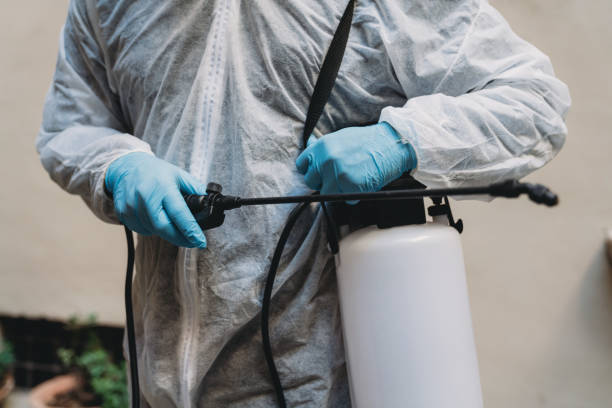
Pest control solutions can involve hazardous chemicals; therefore: – Ensure technicians follow safety protocols during application to protect occupants. – Opt for companies offering green pest control solutions if environmental impact is a concern.
Customer Support
A reliable pest control provider prioritizes their customers by offering:
1. Prompt responses to inquiries. 2. Professional advice regarding preparation before treatment sessions. 3. Aftercare support for monitoring progress post-treatment.
Red Flags to Watch for When Hiring Exterminators in Florida
To avoid unreliable providers:
1. Avoid companies refusing to share licenses or certifications upon request. 2. Be wary of high-pressure sales tactics urging immediate decisions without proper inspection. 3. Refrain from hiring businesses lacking clear treatment plans tailored specifically for your property.
By carefully considering these factors when selecting a pest control company, you ensure effective results while safeguarding both your property and well-being.
How a Pest Control Company Tackles the Life Cycle, Habits, and Control Methods of Common Household Pests
Effectively managing household pests begins with understanding their biology, behavior, and control strategies. By learning about the life cycles and habits of common pests, homeowners can adopt proactive measures to minimize infestations and protect their homes.
Understanding Pest Removal Services in Florida: Life Cycle of Common Household Pests
| Pest | Life Cycle Stages | Duration |
| Ants | Egg → Larva → Pupa → Adult | 6 weeks to several months |
| Cockroaches | Egg → Nymph → Adult | 100 – 200 days |
| Termites | Egg → Larva → Worker/Soldier/Reproductive | Several months to years |
| Bed Bugs | Egg → Nymph (5 stages) → Adult | 4-6 weeks |
Understanding these timelines allows homeowners to implement timely interventions and break the reproductive cycle of the pests.
Understanding the Need for Florida Pest Control Service for Common Household Pests
- Ants: Attracted to sugary or greasy substances; enter homes in search of food through cracks and crevices.
- Cockroaches: Thrive in dark, moist areas such as kitchens or bathrooms; are nocturnal and scavengers.
- Termites: Feed on wood and cellulose-based materials; create mud tubes for safe travel between nests and food sources.
- Bed Bugs: Hide in mattresses, furniture seams, or cracks during the day; feed on human blood at night.
By observing pest activity patterns, it becomes easier to locate nesting sites or entry points.
Effective Pest Removal Methods
Preventive Measures
- Seal cracks in walls, floors, windows, and doors.
- Store food in airtight containers.
- Eliminate standing water sources around the home.
Sanitation Practices
- Clean countertops daily to remove crumbs or spills.
- Regularly dispose of garbage using sealed trash bags.
- Vacuum carpets and furniture frequently.
Targeted Treatments
For cases where prevention isn’t enough:
1. Use bait stations for ants or cockroaches.
2. Apply insecticide sprays along baseboards for immediate relief from crawling insects. 3. Employ professional fumigation services for severe termite infestations.
Natural Pest Control Alternatives
For those seeking eco-friendly options: – Sprinkle diatomaceous earth around pest entry points (effective against ants and cockroaches). – Use essential oils like peppermint or tea tree oil as natural repellents. – Release beneficial insects such as ladybugs in gardens to manage aphids naturally.
By combining an understanding of pest biology with strategic control methods, homeowners can effectively manage infestations while reducing environmental impact.
The Problems Caused by Termites and Effective Solutions for Their Control
Termites are among the most destructive pests, causing significant damage to homes and properties. Understanding the problems termites can cause, as well as effective solutions for their control, is essential to protect your investment and maintain structural integrity.
The Problems Caused by Termites
- Termites feed on cellulose, which is found in wood.
- Over time, they can weaken support beams, flooring, ceilings, and other wooden elements in a building.
- This damage can compromise the structural integrity of your home or property.
- Repairing termite damage in homes can be costly.
- According to studies, Americans spend billions annually on termite prevention and repairs related to infestations.
- Visible signs of termite damage include hollow wood, cracks in walls or ceilings, and warped floors.
- These damages reduce the aesthetic appeal of your home.
- A history of termite infestations may lower the resale value of a property.
- Potential buyers often view termite activity as a red flag during inspections.
Types of Termites
| Type | Characteristics | Common Habitat | Risk Level |
| Subterranean | Live underground; build mud tunnels | Moist soil near foundations | High |
| Drywood | Infest dry wood (furniture, framing) | Warm climates; inside structures | Moderate |
| Dampwood | Prefer damp or decaying wood | Near leaky pipes or wet areas | Low |
Effective Solutions for Termite Control
- Regular Inspections
Periodic professional inspections help detect termites early before they cause severe damage. - Soil Treatments
Chemical barriers can be applied around a home’s perimeter to prevent subterranean termites from entering. - Baiting Systems
Bait stations attract termites and deliver insecticides that eliminate entire colonies over time. - Wood Treatments
Applying termiticides directly onto wooden structures provides long-term protection by preventing future infestations. - Moisture Management
Reducing excess moisture around your property minimizes conditions conducive to termites: - Fix plumbing leaks promptly.
- Ensure proper drainage away from foundations.
- Professional Pest Control Services
Engaging licensed pest control professionals ensures accurate identification of termites and customized treatments tailored specifically for your home’s needs.
Preventative Measures
- Storing firewood away from buildings (at least 20 feet).
- Sealing cracks or crevices in foundations where termites may enter.
- Using pressure-treated wood during construction projects for increased resistance against pests.
By addressing these concerns comprehensively through prevention strategies and expert interventions when necessary, you can protect your home from both current and future termite threats effectively while avoiding unnecessary costs associated with extensive repairs later on.
Comprehensive Pest Identification: The First Step Toward Effective Pest Control Solutions
Effective pest control begins with a thorough understanding of the pests you are dealing with. Proper identification is crucial to implementing targeted solutions that address the problem efficiently. Misidentification can lead to wasted resources, ineffective treatments, and prolonged infestations. This guide will outline the key steps and methods for comprehensive pest identification.
Why Proper Pest Identification is Essential
- Each pest species requires different control methods.
- Identifying the specific pest allows for customized strategies that minimize harm to non-target species and the environment.
- Misusing pesticides can contribute to resistance in pest populations.
- Correct identification ensures appropriate use of chemicals only when necessary.
- Understanding the habits and life cycles of pests aids in developing long-term prevention measures.
Common Tools and Techniques for Pest Identification
- Visual Inspection:
Carefully inspect affected areas for signs such as droppings, shed skins, nests, or burrows. - Behavioral Observations:
Note patterns like nocturnal activity, food preferences, or movement pathways which can indicate specific species. - Reference Materials:
Use field guides, online databases, or professional training materials to compare observed traits with documented characteristics. - Professional Help:
When in doubt, consult trained pest control professionals who can identify pests quickly and accurately.
| Key Signs | Example Pests | Possible Infestation Indicators |
| Droppings | Rodents (mice/rats) | Small dark pellets near food storage areas |
| Wood Damage | Termites/Carpenter Ants | Hollow-sounding wood; sawdust-like debris |
| Bite Marks | Bed Bugs/Fleas | Red itchy welts on skin; blood stains on bedding |
| Webbing | Spiders/Moths | Visible webs in corners or near stored fabrics/food |
Steps for Effective Pest Identification
- Conduct a Thorough Inspection: Begin by systematically inspecting your home or property, focusing on high-risk areas such as kitchens, basements, attics, and gardens.
- Document Findings: Take notes and photos of any signs of infestation—this will assist in analysis and help professionals if needed.
- Research Common Local Pests: Familiarize yourself with pests commonly found in your geographic area to narrow down potential culprits.
- Look for Activity Patterns: Determine when pests are most active (day vs night) and trace their potential access points into your home or building.
- Consult a Professional if Necessary: If you’re unable to identify the pest or if the infestation seems severe, reach out to a licensed pest control company for assistance.
Tips for Preventing Future Infestations Post-Identification
- Seal cracks around windows, doors, foundation walls, and utility pipes.
- Keep food stored in airtight containers.
- Clear clutter indoors (especially in attics/basements) regularly.
- Maintain yard hygiene by trimming vegetation and removing standing water sources like clogged gutters or excess mulch.
- Set up routine inspections from professional services as part of preventive maintenance planning.
Properly identifying pests is foundational not only for solving current infestations but also for preventing costly problems down the road. Investing time into this first step ensures effective outcomes while reducing unnecessary risks associated with improper treatments.

Exploring Integrated Pest Management (IPM): A Holistic Approach to Pest Control
Integrated Pest Management (IPM) is a forward-thinking and eco-conscious approach to pest control that focuses on long-term prevention while minimizing risks to humans, animals, and the environment. Unlike traditional pest control methods, which often rely heavily on chemical treatments, IPM incorporates a combination of strategies to address pest issues effectively. Here’s an in-depth look at IPM and why it is a sustainable solution for managing pests.
What is Integrated Pest Management?
- Prevention: Identifying and addressing conditions conducive to pest activity.
- Monitoring: Regularly observing and analyzing pest presence or damage.
- Identification: Accurately determining the type of pests involved.
- Control Methods: Employing a mix of cultural, biological, mechanical, and chemical controls.
This multi-faceted approach ensures that pest control measures are both effective and environmentally responsible.
Key Components of IPM
- Conduct routine inspections to detect early signs of pests.
- Use tools such as traps or sticky boards for monitoring activity levels.
- Identify specific species before choosing control methods. Misidentification can lead to ineffective treatments.
- Seal cracks and crevices in walls or foundations.
- Implement proper sanitation practices (e.g., regular waste disposal).
- Maintain landscapes by trimming overgrown vegetation around structures.
- Control Strategies IPM employs strategies across four main categories:
| Control Method | Description |
| Cultural Controls | Alter environments (e.g., eliminating standing water) to reduce pest habitats. |
| Mechanical Controls | Use physical barriers like screens or traps to deter pests from entering spaces. |
| Biological Controls | Introduce natural predators (e.g., ladybugs for aphids) or beneficial microorganisms. |
| Chemical Controls | Apply pesticides as a last resort in targeted areas with minimal impact. |
- Evaluation After implementation, assess the effectiveness of chosen tactics and adjust as necessary.
Benefits of Implementing IPM
- Environmentally Friendly: Reduces reliance on harmful chemicals by utilizing alternative methods first.
- Cost-Efficiency: Focuses on prevention rather than continuous reactive treatments.
- Health Safety: Minimizes pesticide exposure for humans and pets.
- Sustainability: Encourages natural ecosystems instead of disrupting them with excessive interventions.
When Should You Consider an IPM Approach?
IPM can be applied in various settings — residential properties, agricultural fields, schools, offices, warehouses, etc. It’s particularly valuable where long-term ecological balance is essential or when frequent pesticide use proves inefficient over time.
By integrating multiple strategies thoughtfully within the framework of IPM, you not only manage pests effectively but also support healthier living conditions for people while preserving the environment for future generations.
Steps to Safeguard Your Home from Bed Bugs: Prevention and Treatment Strategies
Bed bugs are notorious pests that can disrupt the comfort of your home and lead to expensive treatments if not addressed promptly. Safeguarding your home from bed bugs requires a proactive approach that combines prevention, early detection, and effective treatment strategies. Below is a detailed guide to help you mitigate the risk of an infestation and address any existing problems.
Understanding Bed Bugs: Key Facts
- Appearance: Bed bugs are small (4–7mm), reddish-brown insects with flat, oval bodies.
- Habitat: They hide in cracks, crevices, furniture seams, bed frames, and mattresses.
- Feeding Habits: Bed bugs primarily feed on human blood at night while their hosts sleep.
- Reproduction: A single female bed bug can lay hundreds of eggs in her lifetime, making infestations escalate quickly if unchecked.
Preventive Measures for Avoiding Infestations
- Avoid purchasing used furniture or mattresses without thoroughly inspecting them for signs of bed bugs (e.g., shed skins, live insects).
- Use caulk or sealants to cover cracks in walls or around baseboards where bed bugs might hide or enter your home.
- Inspect hotel room mattresses and furniture for signs of bed bugs before unpacking.
- Store luggage on racks instead of floors and keep it away from beds.
- Upon returning home, wash all clothing in hot water and vacuum luggage thoroughly.
- Minimize clutter around sleeping areas since it provides hiding spots for these pests.
- Invest in high-quality mattress and box spring encasements designed to prevent bed bug infiltration.
Identifying a Bed Bug Infestation
| Sign | Description |
| Live Insects | Spotting live adults or nymphs in bedding or furniture. |
| Blood Stains | Small reddish stains on sheets caused by crushed insects during sleep. |
| Fecal Spots | Black dots resembling ink stains near mattress seams or other hiding places. |
| Shed Skins | Light-colored exoskeletons left behind as nymphs mature into adults. |
If any of these indicators are present, swift action is critical to control the infestation effectively.
Effective Treatment Strategies
- Focus on areas around beds, carpets, baseboards, and upholstered furniture.
- Dispose of vacuum bags immediately after use in sealed plastic bags.
- Wash all bedding, curtains, clothing near infested areas in hot water.
- Dry fabrics on the highest heat setting for at least 30 minutes to kill both eggs and adults.
- Employ steamers on mattresses and furniture since heat above 120°F effectively kills all life stages of bed bugs.
- Use EPA-approved insecticides specifically formulated for residential use against bed bugs.
- Focus treatments around cracks/crevices where they nest but follow safety guidelines strictly.
- For severe infestations or recurring issues despite DIY measures, consult licensed pest control professionals who specialize in bed bug treatments such as heat remediation or chemical applications.
Long-Term Monitoring
Even after resolving an infestation: – Conduct regular inspections every few weeks for lingering eggs or missed hiding spots. – Use interceptors under furniture legs to monitor for new activity. – Continue preventive practices like sealing entry points and maintaining cleanliness throughout your living space.
By integrating these steps into your pest management routine, you can protect your home from the challenges posed by bed bugs while promoting a safe living environment over time.
- How Florida Pest Control Helps Protect Your Home
- 10 Essential Questions to Ask Exterminators in Florida for Effective and Comprehensive Pest Control
- How to Prepare Your Home Before and After a Pest Control Company Visit for Maximum Safety and Effectiveness
- Essential Tips for Choosing the Best Florida Pest Control Company
- How to Choose the Best Florida Pest Control Company for Your Home or Business
- Choosing the Right Pest Control Company: Proven Strategies to Keep Your Home Pest-Free
- Maintaining a Pest-Free Environment with Florida Pest Control
- How to Choose the Best Florida Pest Control Company for Effective and Safe Services
- How to Prepare for and Maximize the Benefits of Florida Pest Control Treatments