When dealing with a pest problem in your home or business, it is critical to ensure you are engaging with a reputable and experienced pest control service provider. Asking the right questions can help you evaluate their methods, reliability, and overall effectiveness. Below are ten essential questions you should ask when considering pest control services.
1. What Types of Pests Do You Specialize In?
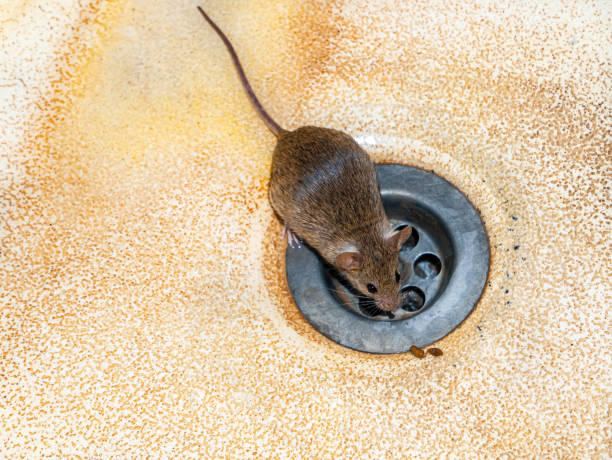
Not all pest control companies handle every kind of infestation. Some specialize in rodents, while others focus on insects like termites, ants, or cockroaches. Verify whether the company has experience in addressing the specific pest issue you’re dealing with.
2. Are You Licensed and Insured?
Pest control companies must comply with local licensing requirements. A licensed and insured provider ensures they operate within regulations and can cover unintended damages if they occur during treatment.
3. Can You Provide References or Customer Testimonials?
Reputable services often have a list of satisfied clients willing to provide feedback about their experiences. Look for online reviews or contact references to learn more about the company’s performance.
4. What Treatment Options Are Available?
Ask about the range of treatments offered: – Chemical Treatments: For effective elimination of pests like termites. – Eco-Friendly Solutions: Ideal for households prioritizing environmental safety. – Traps or Baits: Used for rodents or larger pests effectively.
Understanding your options will help you choose a solution that aligns with your needs and preferences.
5. How Do You Ensure Safety During Treatments?
Safety is a top priority during pest control treatments, especially if there are children or pets in the home. Inquire about precautions taken to reduce risks: – Non-toxic alternatives – Safe storage of chemicals – Ventilation procedures post-treatment
6. What Is the Estimated Cost and Are There Any Hidden Fees?
Request an itemized estimate before committing to any service contract. Ask whether inspection fees, follow-up visits, or emergency treatments are included in the quote provided.
7. How Long Will It Take to See Results?
Understanding this timeline helps set realistic expectations regarding outcomes.
8. Do You Offer Follow-Up Services?
Effective pest management often requires multiple treatments over time to prevent recurrence. Confirm whether follow-ups are part of their package or available at an extra cost.
9. Are There Preventive Measures Post-Treatment?
Ask what steps you can take after treatment is complete to keep your premises pest-free: – Sealing cracks and crevices – Proper food storage techniques – Regular inspections
Collaborating with professionals on preventive strategies ensures long-term success.
10. What Guarantees Do You Offer?
A reputable company should stand by its services by offering guarantees or warranties on its work: – Service Guarantees: Free follow-ups if pests return within a given timeframe. – Product Warranties: Coverage for damage caused by issues such as termite infestations after treatment completion.
Being clear about guarantees ensures peace of mind and holds providers accountable for results.
By asking these ten essential questions, you’ll be better equipped to select a trustworthy provider that prioritizes safety, quality service delivery, and effective results tailored specifically for your needs.
How a Pest Control Company Ensures Health and Safety
Pest control plays a vital role in maintaining the health and safety of homes, businesses, and communities. Pests such as rodents, insects, and other unwanted organisms can pose serious risks, not only to property but also to human health. Let’s explore why effective pest control is essential for ensuring a safe and healthy environment.
Understanding the Health Risks and Benefits of Pest Removal Services in Florida
- Rodents like rats and mice can spread diseases such as hantavirus, salmonella, leptospirosis, and plague.
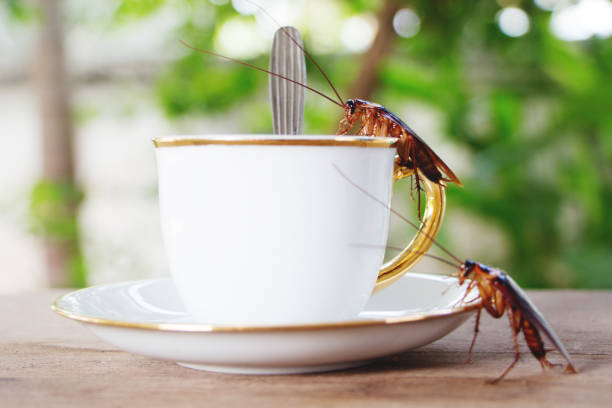
- Cockroaches can trigger asthma attacks and spread harmful bacteria like E. coli or Salmonella.
- Stings from pests such as wasps or bees may cause severe allergic reactions in sensitive individuals.
- Dust mites and cockroach droppings are known allergens that worsen respiratory conditions.
- Fleas carried by rodents or pets can transmit tapeworms.
- Ticks are responsible for Lyme disease and other tick-borne illnesses.
Regular pest management helps mitigate these risks by addressing infestations before they become serious health hazards.
Ensuring Food Safety with Florida Pest Control Service
- Food Contamination: Rodents or insects may contaminate food supplies through droppings or direct contact.
- Losses Due to Spoilage: Infestations can lead to discarded food products due to contamination concerns.
- Violation of Health Codes: For businesses in the food industry, an infestation could mean fines or even closure due to non-compliance with regulations.
Effective Pest Removal for Your Mental Well-Being
- Persistent scratching noises from rodents behind walls disrupt sleep.
- Fear of encountering pests creates discomfort in one’s own home.
- Visible signs of infestations (like cockroaches scurrying across floors) negatively affect peace of mind.
By investing in regular pest control services, you reduce these stressors while restoring comfort within your living or working space.
Key Benefits of Routine Pest Control Services
| Benefit | Description |
| Early Detection | Identifying minor issues early prevents them from escalating into larger infestations. |
| Cost Savings | Addressing pest problems quickly reduces long-term repair costs associated with property damage or medical bills caused by pests’ effects on human health. |
| Customized Solutions | Professional pest control providers tailor treatments based on type/extent/type-specific risks present. |
Tips for Maintaining Pest-Free Spaces
- Keep indoor spaces clean; promptly address any spills crumbs attractants . eg
Preventing Property Damage Through Effective Pest Management Solutions
Pests can cause significant and costly damage to properties if left unchecked. From termites ravaging wooden structures to rodents chewing through electrical wiring, their presence can lead to irreversible harm. Implementing effective pest management solutions ensures that property owners protect their investments and reduce repair expenses. Below is a comprehensive guide on how to prevent property damage caused by pests.
Common Pests and Their Potential Damage
| Pest Type | Potential Damage |
| Termites | Structural damage to wood, foundations, and furniture |
| Rodents | Chewing through wires, insulation, pipes |
| Carpenter Ants | Hollowing out wood structures |
| Cockroaches | Contaminating food supplies |
| Silverfish | Damaging books, wallpaper, and textiles |
By identifying these threats early on, property owners can take proactive steps to mitigate them.
Strategies for Preventing Pest-Related Damage
- Regular Inspections: Conduct periodic professional inspections for signs of pest activity on your property. Early detection is critical in preventing extended infestations.
- Sealing Entry Points: Ensure all cracks, gaps in walls, or crevices around windows and doors are sealed properly. Many pests gain access through small openings.
- Proper Waste Management: Dispose of garbage promptly and store it in sealed containers to avoid attracting rodents or insects.
- Eliminating Moisture: Fix leaks in plumbing systems and maintain proper ventilation as damp environments encourage pest breeding.
- Landscaping Maintenance: Keep shrubs trimmed away from buildings and ensure no tree branches touch the roofline. Overgrown vegetation often acts as a bridge for pests like ants or rodents.
These preventative measures create an inhospitable environment for pests while preserving the structural integrity of your property.
Benefits of Professional Pest Management Services
- Professionals use advanced tools and eco-friendly treatments tailored to specific pest issues.
- They provide detailed assessments that identify hidden damages or infestations you may overlook.
- Trained technicians develop customized plans designed specifically for your property’s needs.
- Ongoing contracts with pest management companies often include monitoring programs that prevent re-infestation.
Indicators That You May Need Immediate Help
- Presence of droppings or gnawed materials (indicates rodents).
- Mud tubes near wooden areas (common sign of termites).
- Unusual stains or scratches along walls or furniture surfaces (cockroach trails).
- Increased sightings of live pests during daylight hours (indicating severe infestation).
Being vigilant about these warning signs allows you to address issues before they escalate into expensive repairs.
Effective pest control not only protects against visible damages but also prevents costly long-term structural problems. By combining preventive measures with professional expertise, homeowners and businesses can maintain their properties’ value while ensuring a safe living environment free from destructive infestations.
Effective Florida Pest Control Techniques Used by Professionals
Professional pest management is an essential service designed to address and mitigate pest issues in residential, commercial, and industrial settings. Experts in the field follow a structured approach to ensure effective results while prioritizing safety and sustainability. Below is a guide on how professionals conduct pest management services.
Key Steps in Professional Pest Management
- A thorough inspection is critical for identifying the type of pests, severity of the infestation, and areas affected.
- Entry points (e.g., doors, windows, vents)
- Food storage areas
- Moisture-prone spaces like basements or crawl spaces
- Exterior surroundings such as gardens or trash disposal areas
- Rodents (e.g., rats, mice)
- Insects (e.g., termites, ants, cockroaches)
- Flying pests (e.g., mosquitoes, flies)
- Customized Treatment Plan Development
Professionals create tailored treatment plans based on: - The extent of the infestation
- The type of property (residential or commercial)
- Any site-specific challenges such as structural vulnerabilities
- Selection of Treatment Methods
A variety of techniques may be employed depending on the situation:
| Treatment Method | Description | Benefits |
| Chemical Treatments | Use of pesticides or insecticides | Quick results; highly effective |
| Biological Control | Introducing natural predators | Eco-friendly; reduces chemical use |
| Mechanical Control | Traps, barriers, or physical removal | Non-toxic; minimal environmental impact |
| Integrated Pest Management (IPM) | Combines multiple strategies with minimal pesticide use | Sustainable; long-term solution |
Implementation
After selecting appropriate methods, professionals execute treatments meticulously to ensure safety and efficacy. Specific actions may include:- Setting bait stations for rodents
- Applying targeted sprays in infested areas
- Sealing entry points to prevent re-infestation
- Monitoring and Follow-Up
Post-treatment reviews are conducted to assess success and prevent recurrence:- Regular inspections over a defined period
- Adjustments to treatment based on effectiveness
Why Professional Expertise Matters
- Safety Compliance: Professionals use regulated products that meet safety standards while minimizing risks to non-target organisms and humans.
- Specialized Knowledge: They understand pest behavior patterns and can identify hidden infestations effectively.
- Preventive Measures: Experts provide insights into preventive actions homeowners or businesses can take.
- Efficiency: Advanced tools and industry-grade solutions result in faster resolution compared to consumer-grade products.
Effective pest management requires a combination of expertise, precision, and proper tools. By using these systematic methods, professionals ensure reliable solutions tailored to individual needs while safeguarding health and property from pests effectively over time.
How Professionals Effectively Carry Out Pest Management Services
Professional pest management services are designed to address infestations efficiently, ensuring the safety of both property and occupants. These experts use a systematic approach that combines inspection, identification, treatment, and prevention. Below is an overview of how professionals handle pest control tasks for lasting results.
1. Comprehensive Inspection
The first step in professional pest management is a detailed inspection of the affected property. This helps identify the type of pests present, their nesting areas, and the extent of the infestation. During an inspection, experts typically:
– Examine entry points such as cracks, windows, doors, and vents. – Check for signs like droppings, chew marks, nests, or damaged materials. – Assess moisture-prone areas like basements, bathrooms, or kitchens.
With this information in hand, they can formulate a targeted plan to address the issue at its source.
2. Identification of Pests
Correctly identifying the pest species is crucial in determining an effective treatment strategy. Different pests require specific approaches tailored to their biology and behavior.
This precise identification ensures that no unnecessary chemicals are used while improving treatment success rates.
3. Targeted Treatment Application
Professionals use specialized tools and treatments designed for maximum effectiveness with minimal environmental impact. They may employ methods such as:
– Chemical Treatments: Using approved pesticides to eliminate pests quickly while ensuring human safety.
– Physical Controls: Installing traps or barriers to capture pests or block entry points. – Biological Controls: Introducing natural predators for eco-friendly control where applicable (e.g., nematodes for soil pests).
By tailoring these methods to specific infestations, they minimize risks while maximizing efficiency.
4. Preventive Measures Post-Treatment
After addressing active infestations, professionals focus on preventing future occurrences by implementing proactive measures: – Sealing cracks and crevices around doors and windows. – Recommending proper sanitation practices like regular cleaning and waste disposal. – Suggesting structural modifications to reduce areas where pests can breed (e.g., fixing leaky pipes).
Preventive strategies ensure long-term protection and peace of mind for property owners.
5. Ongoing Monitoring Services
Some pest management companies offer follow-up visits to monitor progress after initial treatments. Regular checks help ensure that infestations don’t recur while allowing adjustments if new issues arise.
By combining technical expertise with proven strategies at every stage—from inspection to prevention—professional pest control services provide comprehensive solutions tailored to individual needs.
- How Florida Pest Control Helps Protect Your Home
- 10 Essential Questions to Ask Exterminators in Florida for Effective and Comprehensive Pest Control
- How to Prepare Your Home Before and After a Pest Control Company Visit for Maximum Safety and Effectiveness
- Essential Tips for Choosing the Best Florida Pest Control Company
- How to Choose the Best Florida Pest Control Company for Your Home or Business
- Choosing the Right Pest Control Company: Proven Strategies to Keep Your Home Pest-Free
- Maintaining a Pest-Free Environment with Florida Pest Control
- How to Choose the Best Florida Pest Control Company for Effective and Safe Services
- How to Prepare for and Maximize the Benefits of Florida Pest Control Treatments